
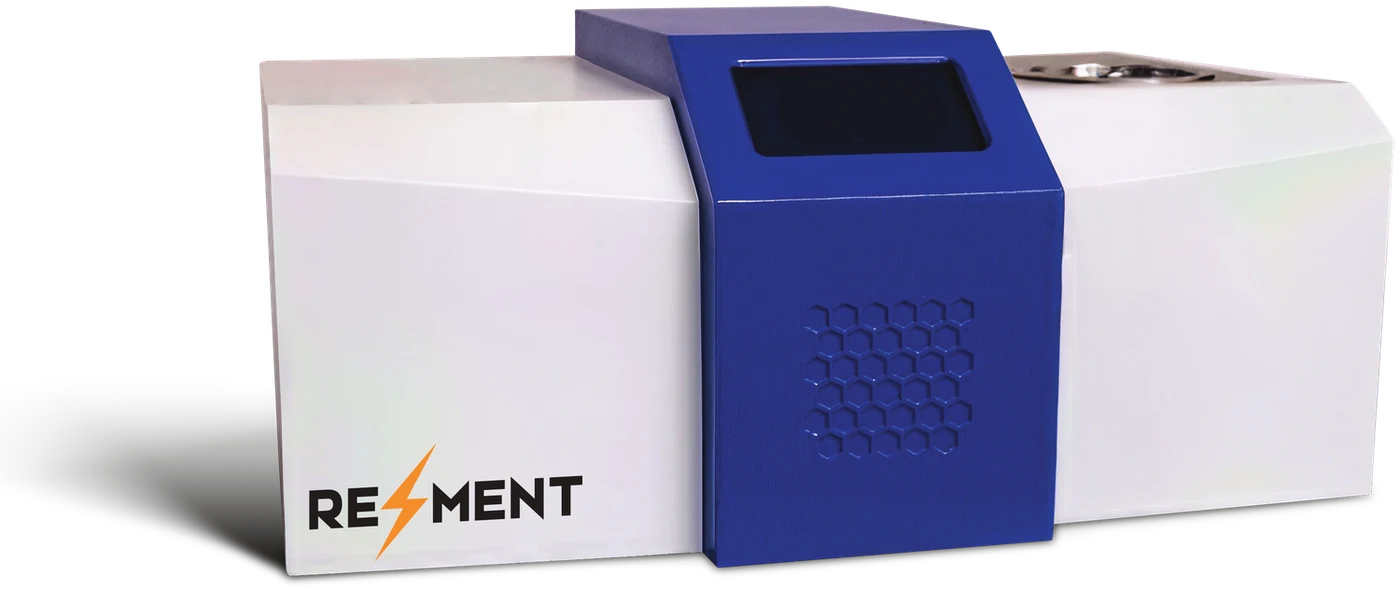
DSC-1 / 2 / 3 / 4
Differential scanning calorimetry
Energy in and out of the sample. Glass transition, melting, crystallisation, enthalpy, purity, oxidation induction time.
View instrumentFour families, built on a common platform and supported by the people who assemble them. Which one you need depends less on your industry than on what you are trying to find out.
Energy in and out of the sample. Glass transition, melting, crystallisation, enthalpy, purity, oxidation induction time.
View instrument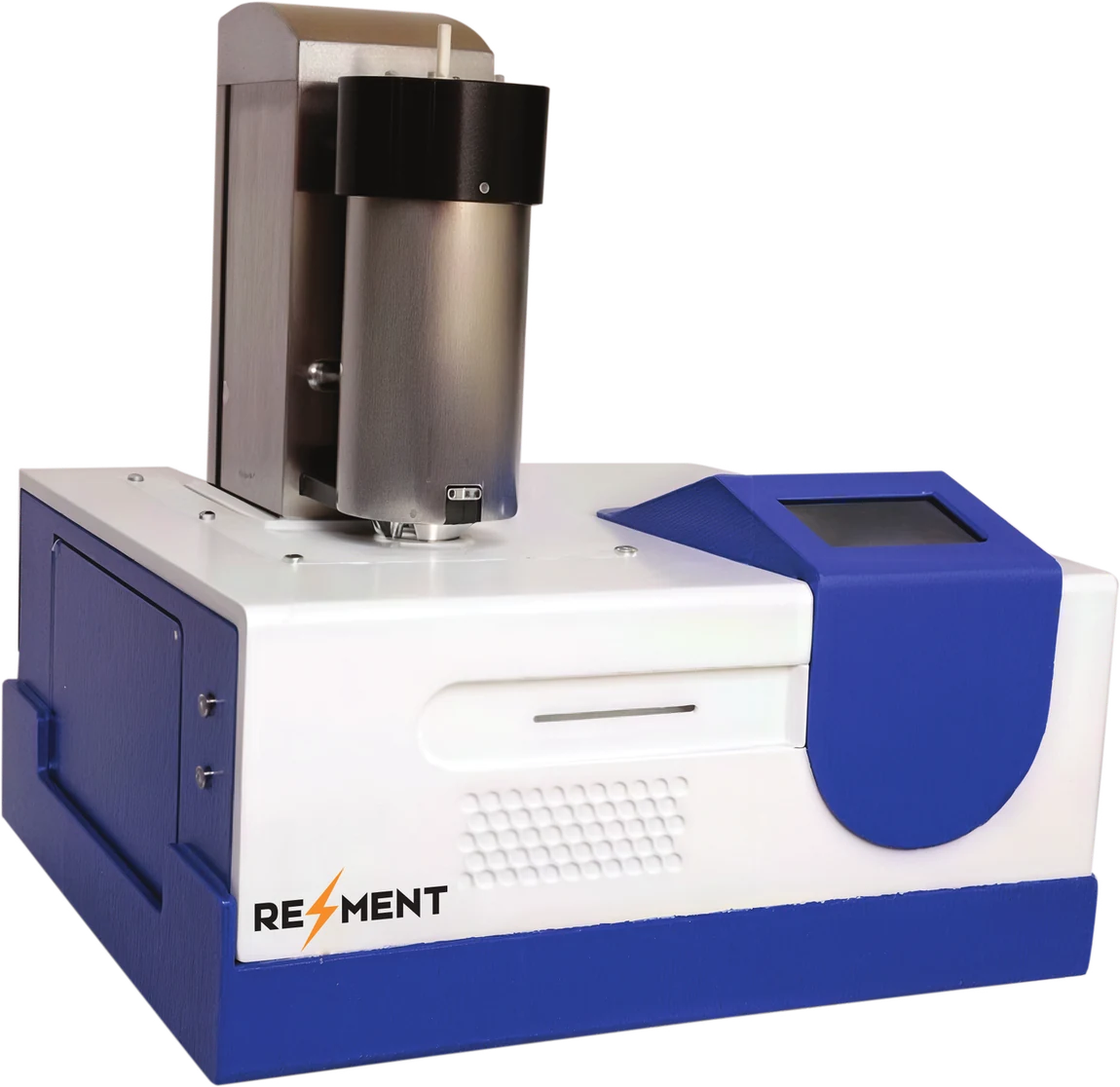
Mass against temperature. Composition, filler and ash content, decomposition onset, thermal stability, evolved gas.
View instrument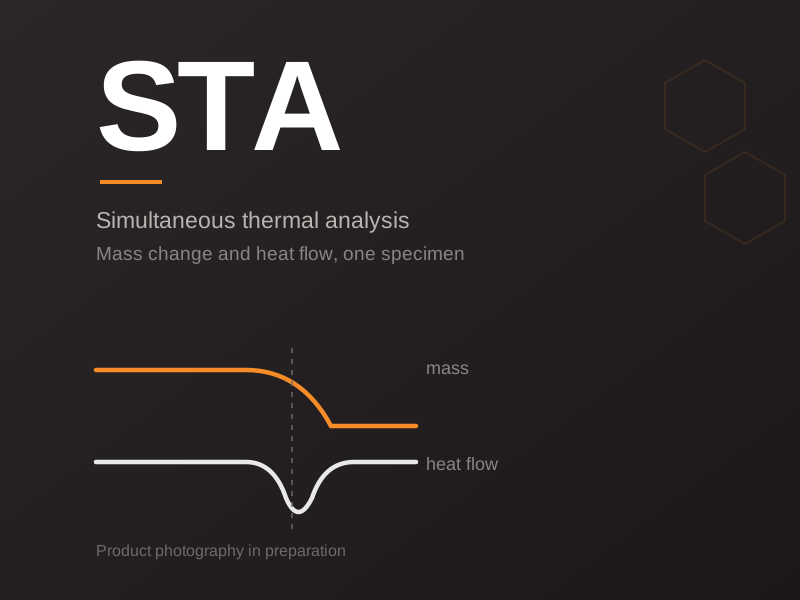
Both signals from one specimen in one run — the only reliable way to tell a melt from a decomposition.
View instrument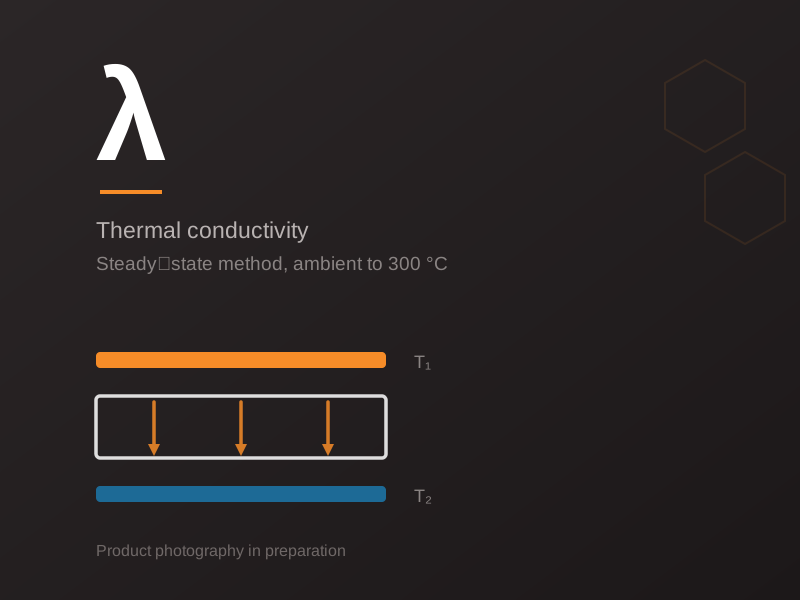
Steady-state measurement of λ for solids, powders, boards and insulation, at the temperature the material will see.
View instrumentMost enquiries resolve quickly once the actual question is on the table. A useful first cut:
| DSC — models 1 to 4 | Heat flow · −100 – 680 °C (model-dependent; 1150 °C optional on DSC-1) ±0.1 °C accuracy · ±500 mW range · ±0.1 µW resolution |
|---|---|
| TGA — models 1 to 4 | Mass change · RT – 1150 / 1250 / 1450 / 1550 °C 0.1 µg resolution · 1 – 200 mg (to 5 g customised) · GC / MS / FTIR coupling |
| STA | Mass change + heat flow, one specimen · indicative figures — see product page |
| Thermal conductivity | Steady-state λ · ambient – 300 °C (confirmed; remaining figures indicative) |
Full specifications are on each instrument page. Figures marked indicative are pending confirmation against model-specific datasheets and should be requested formally at enquiry.
Send us a material you already understand and we will run it and issue a report. It is a better evaluation than any demonstration, and it costs you a specimen.